Anúncios
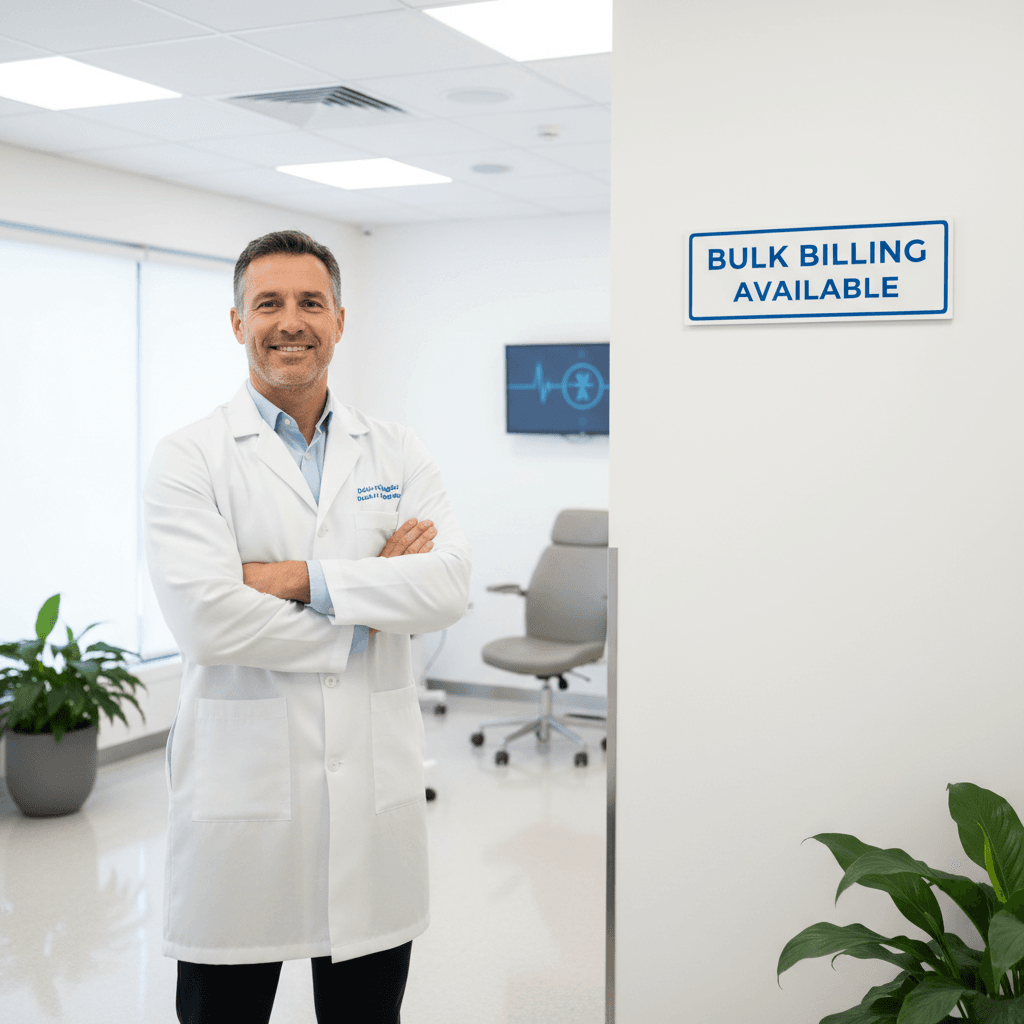
Finding a bulk billing GP in 2026 is more straightforward than it’s been in years — bulk billing rates have hit 81.4% of all GP consultations following the November 2025 incentive expansion. Here’s exactly how to locate a free GP near you and confirm they’ll bulk bill before you walk in.
The Fastest Way to Find a Bulk Billing GP
The most reliable tool is healthdirect.gov.au. It’s the government-funded health service finder, and it’s updated regularly with bulk billing status for clinics across Australia.
- Go to healthdirect.gov.au and select “Find a Health Service”
- Choose “GP” or “General Practice” from the service type menu
- Enter your suburb, postcode, or city
- Check the “Bulk billing” filter in the search options
- Review the results — you’ll see clinic names, addresses, hours, and bulk billing indicators
- Ring your preferred clinic to confirm they bulk bill all Medicare patients before booking
Worth noting: The database isn’t always updated in real time. A clinic that recently converted to full bulk billing may not show the filter yet. Always confirm by phone before your visit.
Other Ways to Find Bulk Billing Clinics
Beyond healthdirect.gov.au, there are a few other reliable approaches:
- MyMedicare via myGov: If you’re registered, you can check your clinic’s BBPIP status and bulk billing commitment through your myGov account
- Google Maps: Search “bulk billing GP near [suburb]” — many clinics now advertise their bulk billing status directly on their Google profile
- Ask your pharmacist: Local pharmacists often know which nearby GPs bulk bill — they see the patients regularly
- Ask your employer or union: Some industries have arrangements with specific clinics
- Ask neighbours or community groups: Word of mouth is still highly reliable for local GP recommendations
What to Say When You Ring the Clinic
When you call to confirm, be specific. “Do you bulk bill?” isn’t always enough — some practices bulk bill concession card holders but charge others a gap fee.
Ask: “Do you bulk bill all patients with a Medicare card, including those without a concession card?”
A clear yes means you can book with confidence. If they say “it depends on the appointment type” — ask them to clarify which appointments carry gap fees and how much.
Bulk Billing in Rural and Regional Areas
Access has historically been more limited in regional and rural Australia. The $7.9 billion Medicare investment includes targeted funding for underserviced areas, but change in those communities takes longer to flow through.
If you’re in a regional area and can’t find a bulk-billing GP locally:
- Check telehealth options — registered MyMedicare patients can access longer bulk-billed telehealth sessions
- Look for Aboriginal Community Controlled Health Organisations (ACCHOs) if you’re eligible
- Ask your local hospital whether bulk-billing outreach services operate nearby
- Contact Services Australia to understand what options exist in your area
Frequently Asked Questions
How do I know if a clinic bulk bills everyone, not just concession holders?
Ring and ask specifically. Since November 2025, the incentive applies to all Medicare patients — but some clinics haven’t fully converted. A direct question saves any confusion.
Can I find bulk billing clinics that are open after hours?
Yes. healthdirect.gov.au lets you filter by opening hours. Many after-hours GP services and urgent care clinics also bulk bill — search specifically for “after hours bulk billing GP.”
Is the healthdirect.gov.au database up to date?
It’s regularly maintained but may lag slightly behind real-world changes. For the most current information, always confirm by phone or check the clinic’s own website.
What if there are no bulk billing GPs near me?
Check telehealth options first — many online GP services bulk bill and are accessible from anywhere. If you’re in a rural area, contact Services Australia about regional health access programmes.
Does bulk billing availability vary by state?
Rates vary by region rather than strictly by state. Inner-city areas in major capitals tend to have more mixed billing. Suburban and regional areas have seen the biggest improvements since November 2025.