Anúncios
The system has specific provisions built in for older job seekers. The $866 per fortnight rate is one. Reduced mutual obligation requirements after nine months on payment is another. And the $150 fortnightly income free area — the amount you can earn without it touching your payment at all — is a threshold most people in this group have never heard clearly explained.
You stay on this website. No payment required.
Start with the mutual obligations change, because it affects daily life in a concrete way. Before hitting the nine-month threshold at 55-plus, most recipients are held to standard requirements: apply for a set number of jobs each fortnight, attend provider appointments, complete assigned activities. After nine months, that framework loosens significantly.
Voluntary work up to 30 hours per fortnight satisfies your obligations. Part-time employment, approved courses through TAFE, community service through recognised organisations — all valid. The shift is designed to acknowledge that employment pathways for people in their late 50s and early 60s often look different from what’s expected of a 30-year-old. Your Job Plan should reflect your actual circumstances, not a standard template.
The income test threshold is the one that catches people out. The $150 per fortnight free area means you can earn that amount from casual or part-time work without it reducing your JobSeeker Payment at all. It’s not widely advertised, but for people doing occasional shifts or casual market work, it makes a real difference. Between $150 and $256, your payment reduces by 50 cents per dollar earned. Above that, the rate jumps to 60 cents per dollar.
Those thresholds apply to gross earned income — wages before tax. Investment income, rental returns, and self-employment income are also assessable, but the types of income that count and the timing rules around when they’re included in your assessment are more nuanced than most people realise. Superannuation drawdowns are generally excluded from the income test while you’re under Age Pension age — a detail that matters for many in this group.
On the payment rate itself: the $866 per fortnight figure for singles aged 55-plus after nine months on payment is the 2026 indexed amount. It gets reviewed in March and September each year. The frustrating part is that the system doesn’t always apply this rate change automatically. Processing issues, incorrect personal details on record, or a perceived break in payment continuity can all delay or prevent the update.
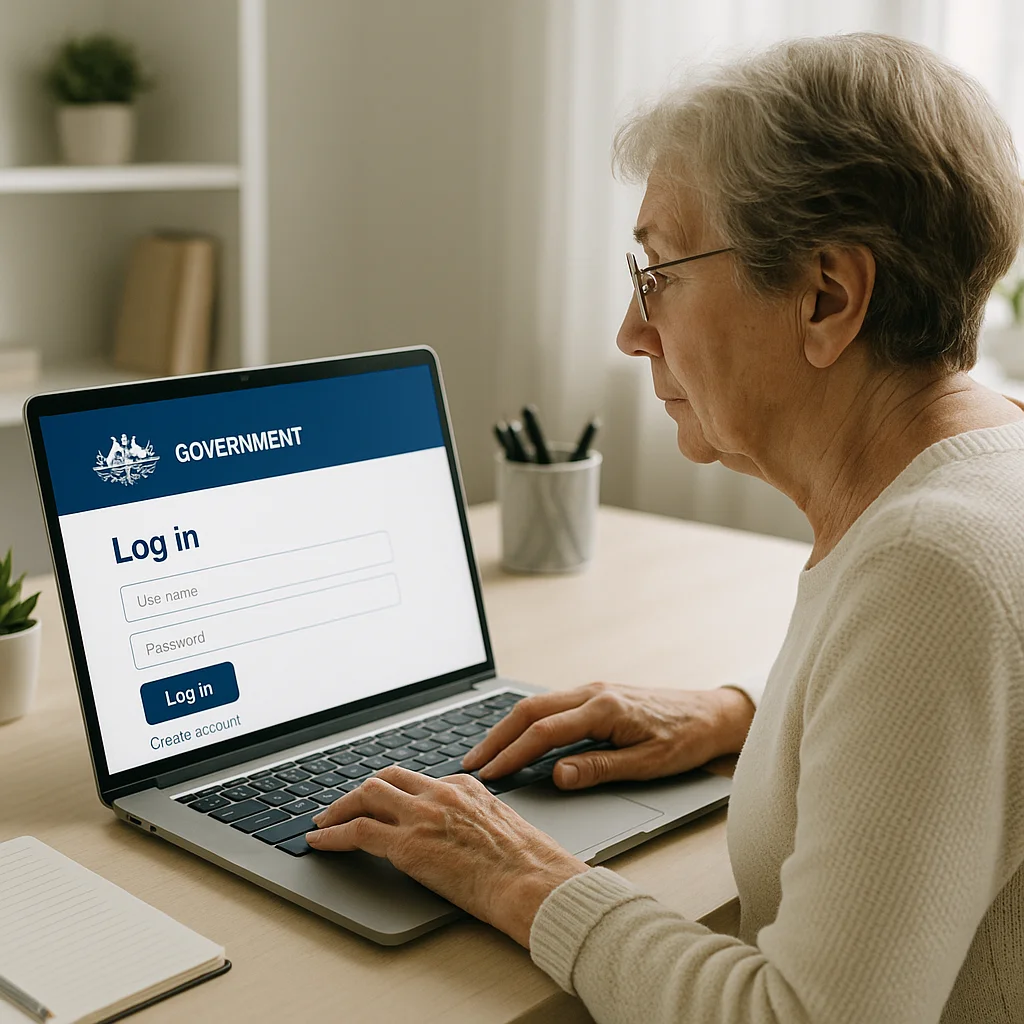
If you’re in this age group and you’re not sure whether the higher rate is being applied to your account, log into myGov and check. It takes five minutes. Look at your payment details, specifically the base rate or maximum rate figure — not just the total deposit. If it looks lower than expected, a call to Services Australia on 132 850 can confirm your situation and, if there’s been an error, get a correction processed.
Backpayment is possible if the error is confirmed — the correction applies from the date the higher rate should have started. Acting sooner rather than later gives you the best chance of recovering any amount owed.
None of these changes require a special application. They’re built into the payment rules for your age group. What they do require is knowing they exist — which, for too many people in this situation, is the part that’s been missing.